
Before his brain injury four years ago, Kelly’s son was deeply creative, drawing comics, painting and finding joy in art.
Afterward, things looked different. “Any attempts we made to get them back into art, including classes with a former teacher, projects on our own, with all different modalities, just didn’t go anywhere,” says Kelly.
For many families, this experience is more common than we talk about. Traditional art classes can feel like they were designed for someone else, leaving some learners on the outside looking in.
At HomeLearner’s Network (HLN), we believe creativity and inclusivity is at the core of how we learn and who we are! From the earliest cave paintings to crafts on the kitchen table, humans have always needed to make, express and explore.
That’s why we’re thrilled to introduce Adaptive Activities, a pilot series of Realtime art activities that put accessibility and creative joy at the heart of each learning experience. No matter your child’s ability, neurotype or experience with art, these sessions are built so they can participate fully and leave feeling genuinely proud.
What makes an activity adaptive?
 Adaptive Activities are designed so that any learner can participate and feel that the experience was rewarding. The focus is on play, process and the simple pleasure of engaging with materials rather than producing a perfect final product.
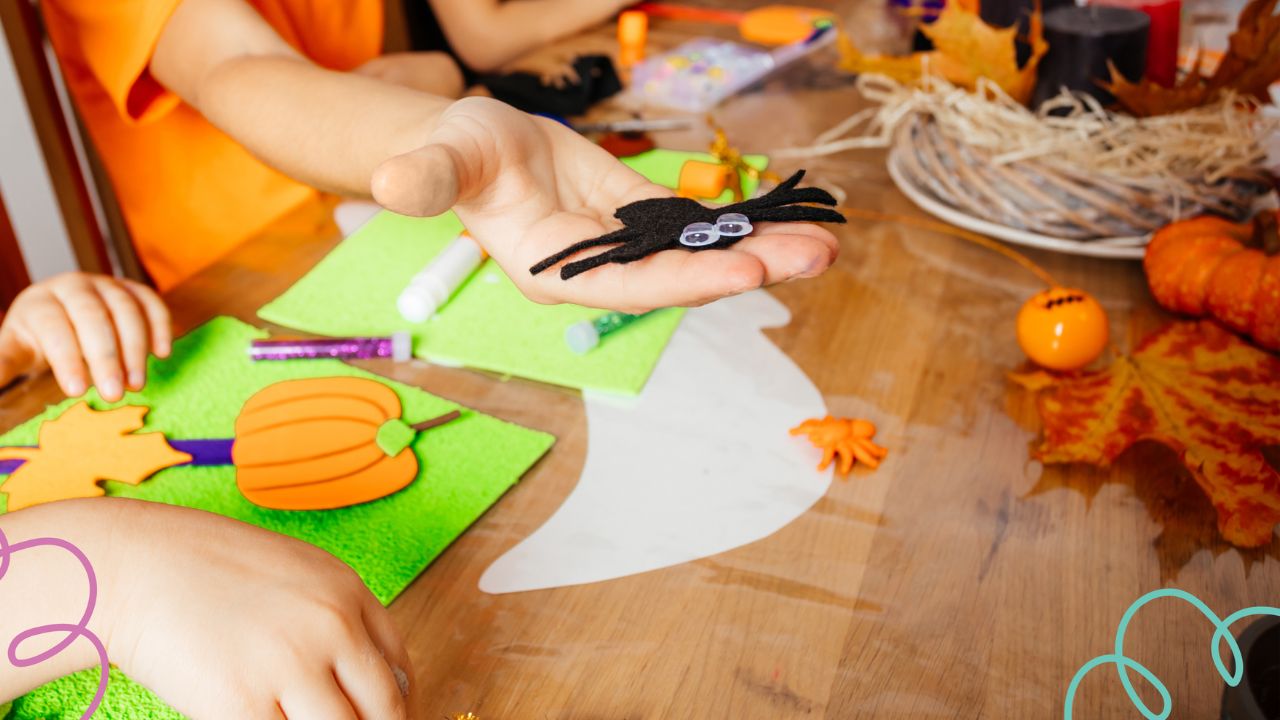
If scissors aren’t comfortable, tear the paper. Want to build your own mark-making tool from recycled materials, cotton balls or whatever else you can find? Go for it! There is no wrong way to make something.
HLN’s Lead Guide Amber Santos has been including this kind of flexibility and inclusivity into her activities for years, ensuring every learner leaves feeling successful. What’s new is the language around adaptivity.
As Amber reflects, even though she was already adapting to each learner, “we weren’t using that word, and that’s key to letting families know that their child is going to be successful in the space.”
Born from a real family’s experience
This pilot grew out of a conversation between Amber and Kelly. Kelly began asking what an art class would look like if it had been designed with learners like her son in mind. The answer was already taking shape inside HLN, but together, Kelly and Amber formalized the approach, developed family resources and made it easier to communicate to the wider community that these classes truly are for everyone.
“Working with Kelly was wonderful,” says Amber. “It was so inspiring, and I learned a lot from her. It made me aware of some blind spots in the sense that some SelfDesign families don’t feel HLN’s art activities were for them.”
The science of making
 There’s a reason art feels good. “Working with our hands, being creative and being expressive is a human gesture that is our birthright,” says Amber. “Working with your hands releases positive neurochemicals, supports emotional regulation and creates a genuine sense of agency.”
Each decision a learner makes during an Adaptive Activity is an act of self-expression that builds confidence!
For learners who have experienced frustration or exclusion in other settings, the sense of agency that comes through art making really matters.
What to expect
Families who sign up for an Adaptive Activity will receive resources and guidance ahead of time, so parents and caregivers feel equipped to support their learners without needing to be art teachers themselves.
The pilot launched with Art 4 All Drawing, Art 4 All Painting, Art 4 All Collage and Art 4 All Mixed Media. Children were invited to bring their favourite art-making tools, express their unique voices and be ready to play! Sessions will follow based on what we learned together.
“I really enjoy seeing learners be successful,” says Amber. “The joy and delight that comes from experimentation and engaging with the materials, the surprise, the joy, the ownership, the pride, the confidence building, the fun. That is exactly what we’re here to create.”