
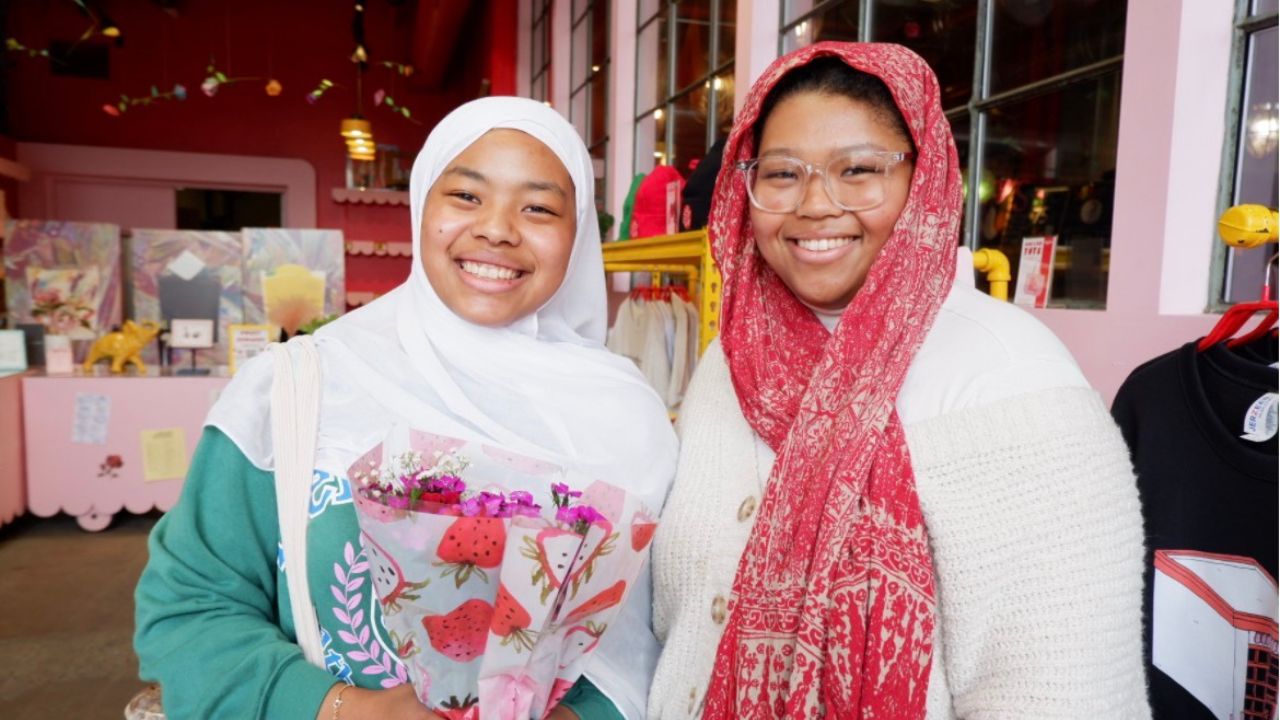
When Ayesha and Samayyah look back on their learning journey, one thing stands out: curiosity was always at the centre.
Growing up in a home-learning family, the sisters had the freedom to explore what interested them most. Instead of following a rigid curriculum, their learning was shaped by passions, experiences and opportunities.
That journey began with SelfDesign, where they could tailor their learning to fit their interests and learning styles. Along the way, they explored everything from Brazilian Jiu-Jitsu to horseback riding while building the skills that would eventually carry them into university and beyond. Today, both sisters are continuing their learning journeys through university while still pursuing the passions that first sparked their curiosity.
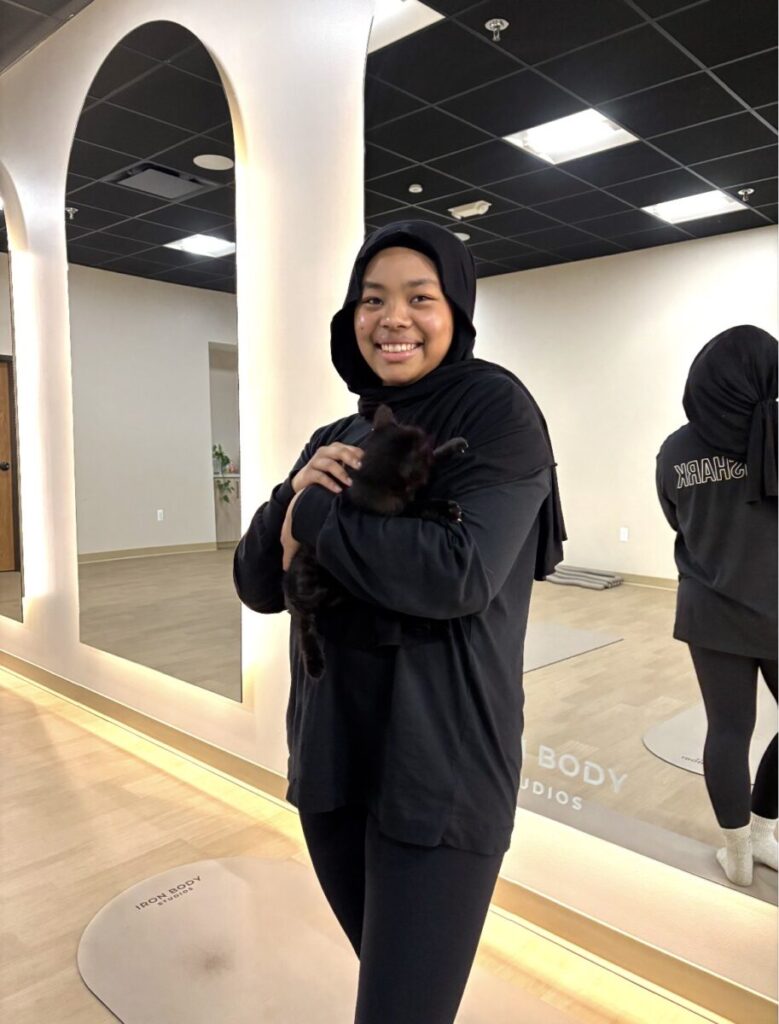
Ayesha
, now 20, is in her junior year at Wayne State University in Detroit. She is pursuing a double major in Business Management and Technology Information Systems while working as a marketing assistant at a local library.
Her sister Samayyah, 22, recently graduated from Wayne State with a Bachelor of Science in Computer Science with a focus on professional writing. She is currently interviewing for a digital literacy role in the nonprofit sector.
Looking back, both sisters remember a childhood full of activity and exploration.
“With the nature of SelfDesign, my mom was always trying to find things for us to do,” Samayyah says. “We started young with Capoeira, which we did for 10 years. We also did Judo, Jui Jitsu, swim team and horseback riding.”
Brazilian Jiu-Jitsu became a lasting passion.
“We started Brazilian Jiu-Jitsu when I was 11,” Samayyah continues. “It stimulates both my mind and my body. It’s almost like chess, because you really have to think through your matches.”
For the sisters, these experiences weren’t separate from learning—they were part of it.
Taking the SelfDesign leap
Before joining SelfDesign, the sisters were homeschooled. Their mother later chose SelfDesign because it offered both flexibility and support.
“Our mom didn’t want us to be bogged down by exams and outcomes,” Samayyah explains. “Based on her own experiences, she felt school was often about worrying over tests and exams instead of really learning.”
SelfDesign allowed the sisters to continue learning in a way that respected their individual styles while connecting them with educators, learning consultants and other learners. Ayesha remembers how supported she felt during those years.
“I loved the flexibility and the community of support, not just with the teachers but also with friends,” she says. “Even if we were in different themes, we could still support each other.”
Finding community and learning how to learn
One of Ayesha’s favourite memories from SelfDesign was the weekly learner meetings.
“[At that time], there were once-a-week classes that mimicked high school themes,” she explains. “We would meet, explore different topics and go into breakout rooms. From there, I found a lot of good connections and a lot of friends. Being part of that was a highlight for me.”
For Samayyah, one of the most meaningful aspects of SelfDesign was being able to explore subjects through her interests.
“We didn’t have to follow a set curriculum,” she says. “I still had to learn math and reading, but I could do that through things that were interesting to me. It made me a very self-directed learner. I learned how to learn.”
With guidance from their learning consultant, both sisters later designed theme-based learning paths. Ayesha explored topics like law, philosophy and precalculus, while Samayyah focused on math and science as she prepared for university.
Both sisters also became involved with SelfDesign’s Learner Council. Samayyah served as president, while Ayesha worked as secretary and represented learners from different grades.
Through these roles, they developed leadership, communication and organizational skills that would later support them in university and their careers.
Transitioning to university with a SelfDesign toolkit
Growing up between Vancouver and the United States, the sisters eventually chose to attend Wayne State University in Detroit for its strong programs and scholarships. Their experience with self-directed learning helped them transition smoothly.
“My managers and teachers tell me I’m really good at time management and juggling everything,” Ayesha says. “SelfDesign helps with that because you’re used to learning on your own.”

Samayyah
Samayyah found that university requires a similar level of independence.
“In university, professors’ main job is research,” she explains. “A lot of the time you’re actually teaching yourself and researching. I asked a lot of questions at SelfDesign and learned how I like to learn. That’s definitely helped me as a university student.”
As they look toward the future, both sisters are thinking about work that aligns with their values.
Samayyah hopes to combine her technical skills with meaningful work.
“I want to use my technical degree in a moral way,” she says. “There are opportunities in places like the military, but I’d rather work in the nonprofit space.”
Ayesha is drawn to collaborative and people-focused work. She is considering careers in management, human resources or information systems and is open to both corporate and nonprofit roles.
Advice for SelfDesign families
Looking back, both sisters see SelfDesign as an important foundation for their lives today. Samayyah encourages families to remember that every learner’s path can look different.
“Just because your learner’s learning looks different doesn’t mean something is wrong,” she says. “Sometimes it’s the system that’s failing, not the kid.”
She also reminds families that self-directed learning requires effort and commitment.
“SelfDesign or homeschooling isn’t an easy way out; it’s an alternative. It allows you to tailor learning to your learner’s style.”
Ayesha offers similar encouragement to learners who are thinking about their future.
“In post-secondary, it’s really up to you to decide how your schooling or your life is going to go,” she says. “SelfDesign gives you the foundations to know yourself and your abilities, and build from there.”