

 A young person who stands up for a friend, shares an idea or helps someone feel included is already practising leadership. Sometimes, she just needs a little encouragement to see it in herself!
That’s what our new partnership with Minerva BC is all about. We’re bringing the Learning to Lead program to HomeLearners Network (HLN), helping girls and gender-diverse youth discover their strengths and build confidence in their own voices.
Through four interactive online sessions over four weeks, girls and gender-diverse youth will explore what matters to them, discover their strengths and build confidence in their ability to make a difference.
Ashley Milbury is the Youth Programs Manager at Minerva BC. She says young people don’t need to think of themselves as leaders to get started.
Discovering their inner leader
Minerva BC is a nonprofit organization working to change the face of leadership by supporting women and girls across the province. Its Learning to Lead program typically serves young women and gender-diverse youth in grades 10 to 12. Together, HLN and Minerva have adapted the program for a younger audience (ages 12-16), with engaging, interactive activities.
As a teenager, Ashley didn’t identify as a leader. Yet she supported her friends, helped classmates and volunteered. Now, she helps young people recognize those same leadership qualities in themselves.
The program, she explains, is about “convincing young women first of all that they absolutely are leadership material; they always have been.”
Learning to Lead helps young people recognize those qualities in themselves and explore how they want to use them.
Finding what matters to your child
 What’s important to your learner? What activities leave them feeling energized? What would they love to change in the world around them?
These questions help learners understand their values and strengths, giving them a foundation for making decisions that feel right for them.
In the values session, participants explore the idea of a North Star: something to guide them when other influences might pull them off course. Understanding their values can help young people navigate everyday choices now, as well as decisions about learning, volunteering and careers later on.
Ashley also encourages young people to look beyond the things they’re good at and notice what genuinely energizes them.
“What are the activities that you do throughout your day that really fill you up, that energize you and actually make you feel strong?” she asks.
Becoming so absorbed in an activity that they lose track of time can offer young people clues about their strengths and help them choose experiences they find fulfilling.
Learning that support is all around them
Asking someone a question or reaching out for help can feel intimidating. Learning to Lead introduces mentorship and networking in ways that make sense for younger learners. Their network might include a coach, an educator or a friend’s parent who can share their experiences and help them explore an interest.
“You just need to reach out and ask,” says Ashley. “People are really there. They want to make the way a little easier for young people.”
By starting these conversations early, learners can begin to feel more comfortable asking questions and recognizing the people who want to support them.
Building confidence through practice
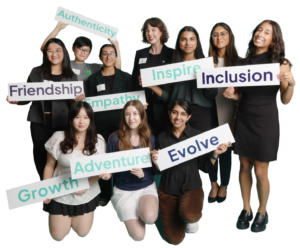 The final session brings the learning together with a focus on confidence. Young people will explore how to use their voice, try new opportunities and keep learning when something doesn’t go as planned.
Ashley hears from many young people who want to feel more confident and speak up more readily. The final session helps them understand that confidence can grow through trying, making mistakes and trying again.
“Failing and learning from that is like one of the absolute best ways to grow your confidence,” she says.
And if your learner thinks, “I’m not a leader,” Ashley has a simple invitation: “I would say, come and see. It’s okay to feel that way.”
Your learner doesn’t need to arrive feeling confident or thinking of themselves as a leader. Curiosity and a willingness to explore are enough.
“If you’re interested in growing, if you’re interested in learning, in feeling more confident in yourself, come and check it out,” says Ashley.
Along the way, they’ll connect with other young people who are also discovering who they are and how they want to contribute to their communities.
Learning to Lead at HLN starts on October 22, 2026. Sign them up here.