

One of the best things about home learning is that learning doesn’t have to follow a rigid schedule or come from textbooks and online programs. In fact, some of the most powerful learning happens in the middle of everyday moments, like baking muffins, walking the dog, writing in a journal, or even playing make-believe.
When we slow down and look closely, we start to notice how daily activities naturally support learning, creativity and personal growth.
 Maybe you have a young child who loves to bake. Measuring ingredients, following steps in a recipe and making grocery lists aren’t just chores, they’re full of learning. Baking introduces basic math, sequencing, and early life skills, all wrapped in an enjoyable experience (with delicious results!).
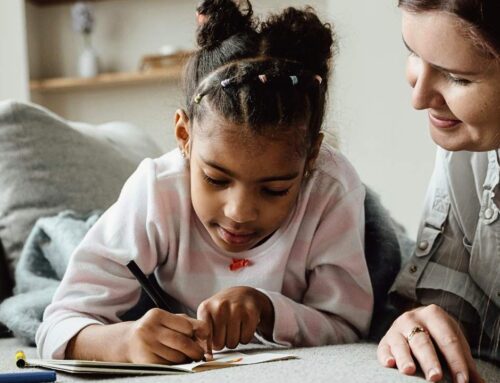
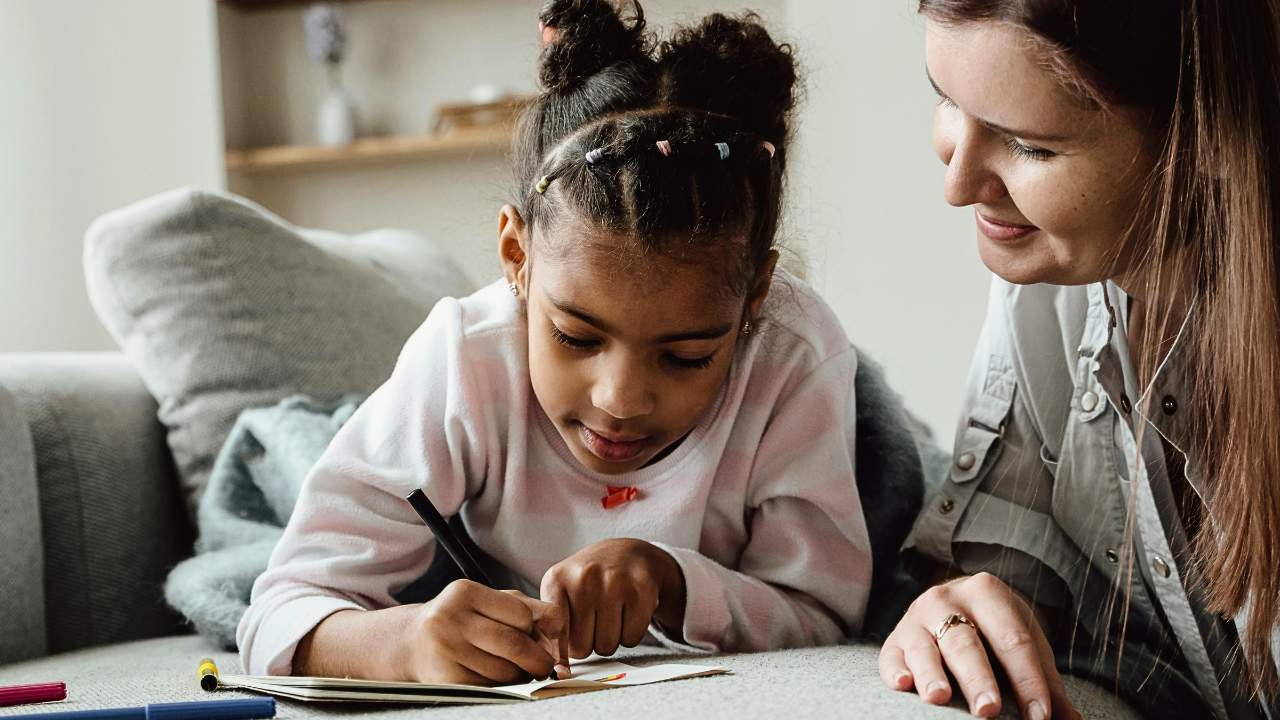
Or perhaps your older child spends time journaling. That quiet writing time supports spelling, vocabulary and creative thinking. It’s also a way to practice self-reflection and emotional regulation.
And one of the biggest benefits? Turning everyday tasks into learning moments often means less stress, more connection and more time.
“Learning is interconnected,” shares Nikki Kenyon, Interim President & CEO of SelfDesign. “The premise of SelfDesign is that learning happens all the time, in real-world contexts.”
Academics in everyday activities
When you look at everyday life through the lens of learning, opportunities are everywhere:
Baking – Reading recipes supports literacy. Doubling or halving ingredients introduces multiplication and division. Sequencing, timing and problem-solving are all part of the mix.
Grocery shopping – Comparing prices, sticking to a budget and calculating totals bring math into the real world. Planning meals and making lists also support organization and decision-making.
Journaling – Whether it’s a gratitude list, reflections on the day or nature observations, journaling strengthens writing skills and builds self-awareness.
Nature walks – Exploring plants, animals and ecosystems sparks curiosity. Learners might sketch what they see, write down questions or dive into research, all while connecting with science and language learning.
STEAM learning, naturally
Science, Technology, Engineering, Art and Math (STEAM) are woven into daily life, often without us even realizing it:
 Gardening – From composting to planting seeds, learners connect with biology, chemistry and earth sciences.
Building projects – Measuring wood for a shelf, helping build a treehouse or assembling furniture uses geometry, spatial reasoning and creative thinking.
Coding games and projects – For tech-minded learners, coding teaches logic, sequencing and problem-solving in interactive and empowering ways.
Kitchen science – From vinegar and baking soda volcanoes to yeast experiments, kitchen science brings chemistry to life. And let’s face it… most kids love a good, messy experiment.
Learning life skills through social and relational activities
Real-world learning also includes social, emotional and relational growth:
Volunteering – Helping out in the community builds empathy, communication skills and a sense of purpose.
Lemonade stands and micro-businesses – Some learners are natural entrepreneurs. Selling lemonade, painting faces or selling handmade crafts gives them a chance to practice independence, money management and creative problem-solving.
Learning together: shared activities that spark growth
Learning doesn’t always need to be formal. Some information is best absorbed when learning is shared, playful and collaborative:
Role-playing games – “Playing house” or imaginative scenarios support creativity, cooperation and social development, especially in younger learners.
Documentaries – Educational videos can introduce new ideas, deepen understanding and inspire learners to explore topics more deeply.
Board and card games – Games like Monopoly or Settlers of Catan offer practice in math, strategy, planning and teamwork. Cooperative games build community while boosting critical thinking skills.
When learning feels like living
At SelfDesign, we believe that learning is most meaningful when it’s integrated into everyday life and rooted in curiosity. When children are interested, engaged and having fun, learning happens naturally and joyfully.
So next time you’re wondering how to support your child, look around. Whether you’re cooking dinner, going for a walk or playing a board game, chances are you’re already in the middle of a rich and valuable learning experience.
Learn effective tips for avoiding home-learning burnout as a parent