

For many families, chores can sometimes feel like a daily struggle. You may find yourself reminding your child to tidy up or take care of small tasks around the house. But in a home learning environment, everyday responsibilities can become something more; they can turn into meaningful learning experiences.
When children begin to see how real life connects to learning, their curiosity often grows. A task that once felt like “just a chore” can become a chance to explore new ideas, practice important skills and build confidence.
At SelfDesign, we often talk about how learning happens everywhere. It’s not just at a desk or in a workbook, but in kitchens, gardens, backyards and neighbourhoods. Here are a few ways everyday household activities can naturally support learning.
When gardening becomes a science lesson
 Spending time in the garden offers much more than fresh air and muddy hands. As your learner plants seeds or pulls weeds, they may begin to notice the living world around them. Birds visit the garden. Bees and insects move from plant to plant. Suddenly there are questions to explore.
Gardening invites curiosity about biology, ecosystems and the environment. Learners may begin to wonder about soil types, seasons and the local climate. Planning a garden together can open conversations about food systems, soil health and how plants grow. Even troubleshooting a struggling plant can lead to questions about nutrients, sunlight, watering or pests.
What begins as helping in the garden can quickly become a hands-on exploration of science.
Grocery shopping and meal planning build real-life skills
Preparing meals for a family involves many small decisions that can become rich learning moments. As children think about the food they eat, they can begin to understand which foods give us energy and help us grow strong.
Writing a grocery list supports literacy and organization. Budgeting introduces practical math skills. Comparing prices or choosing between products encourages decision-making and problem solving.
Shopping together can also open conversations about where food comes from. Learners may become curious about local farmers, seasonal produce, earth-friendly farming practices or fair-trade products.
What might seem like a simple trip to the grocery store can become a thoughtful learning experience about food, health and community.
Cooking and baking bring math and science to life
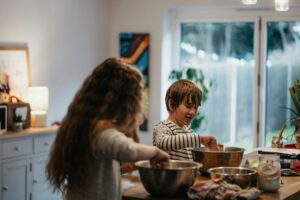 Children are often naturally curious about cooking, and who doesn’t love treats? There’s something exciting about creating a meal or favourite baked good and sharing it with others.
Cooking invites learners to practice measurement, fractions and sequencing. Following a recipe shows how steps build on one another. It also introduces science in a very practical way. A child may discover why baking soda makes something rise, or what happens when ingredients are heated or mixed together.
Along the way, learners develop fine motor skills, creativity and patience.
Your learner might search for recipes online, try cooking independently or reflect afterward on what worked well and what they might change next time. These moments of curiosity and reflection help build confidence and communication skills.
Learning continues throughout the home and neighbourhood
The learning possibilities don’t stop in the kitchen or garden. Many everyday activities around the home offer opportunities for exploration and growth.
Building projects
Simple projects like assembling a shelf or measuring wood for a small build can introduce geometry, spatial reasoning and problem-solving.
Cleaning
Cleaning helps children understand responsibility and hygiene. Some families even experiment with making natural cleaning products, which can spark conversations about chemistry and sustainability.
Walking the dog
A daily walk can become a chance to observe nature, talk about safety and practice independence. Older learners may enjoy taking responsibility for the routine themselves. Dog walks can also be surprisingly social, helping your learner build confidence and connection in the community.
Mending clothing
Learning simple sewing or mending skills helps develop coordination, patience and self-reliance.
Booking appointments
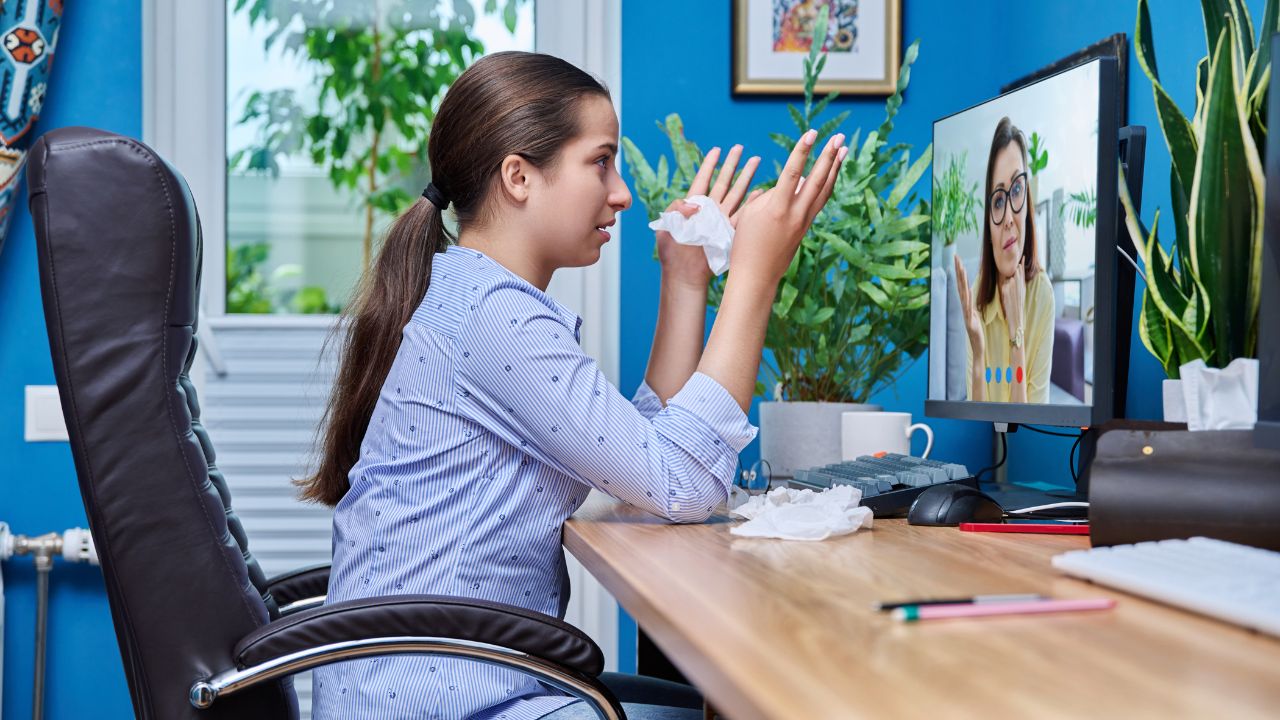
Older children may enjoy learning how to schedule appointments online or by phone. These experiences build planning skills, confidence and communication.
Home learning offers families the freedom to see everyday moments differently. A chore can become a conversation, and a responsibility can become an exploration. Even the simplest tasks can become meaningful learning experiences.
As Nikki Kenyon, Interim President and CEO of SelfDesign, shares:
“Learning is interconnected. The premise of SelfDesign is that learning happens all the time, in real-world contexts.”
When families embrace these everyday moments together, children often begin to see that learning isn’t something separate from life, it’s simply part of living.
Learn more about us at selfdesign.org